Lion Dance Head: A Designer’s Review for Merch
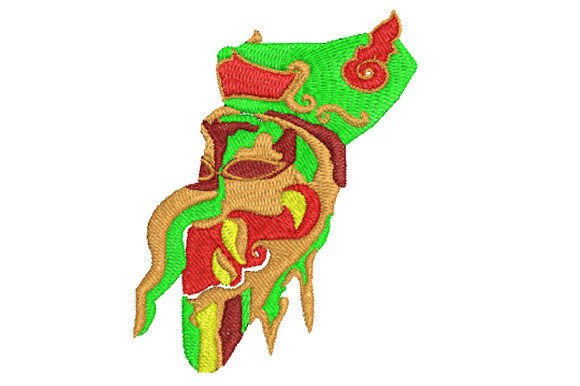
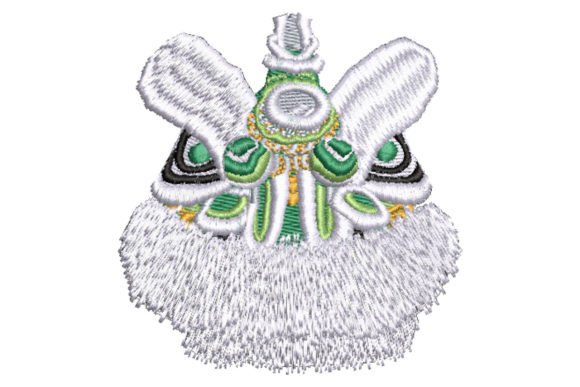
As an embroidery designer who has spent years digitizing and testing files for commercial use, I approach every new machine embroidery design with a critical eye. It is not just about whether the image looks good on a screen; it is about how it performs under the needle, how it holds up after washing, and most importantly, how it serves the brand identity of the small business owner using it. Recently, I reviewed the Lion Dance Head, specifically the Hok San Green Lion with White Fur variant. This piece stands out in the Asia category of Embroidery, offering a unique blend of cultural richness and bold visual appeal that can elevate small business merch significantly.
First Impressions: Boldness Meets Tradition
The first thing that strikes you about the Lion Dance Head is its commanding presence. The Hok San style is known for its distinct shape—often more rounded and expressive than other regional styles—and this digitization captures that spirit effectively. The combination of the vibrant green base with the contrasting white fur creates a dynamic visual texture. For a designer, this contrast is a gift. It means the design does not need excessive shading to look three-dimensional; the color blocking does the heavy lifting.
This design feels both premium and playful. It is not stiff or overly corporate, which makes it perfect for creative studios, boutique cafes, or handmade brands that want to project warmth and energy. However, it retains enough detail to feel professional. It avoids the "clipart" look that plagues many low-quality digital embroidery files, suggesting that the underlying stitch structure has been carefully considered to maintain integrity during production.
Real-World Applications for Small Business Owners
When I evaluate a design for commercial embroidery, I immediately visualize it on various substrates. The Lion Dance Head is versatile, but it shines brightest in specific applications. Here is how I see it working for different business models:
- Embroidered Patches: This is arguably the best use case. The bold outlines and distinct color zones make it ideal for cut-edge or merrowed border patches. A local martial arts studio, a cultural center, or even a trendy streetwear brand could use this as a standalone chest patch or a sleeve accent. The white fur element adds a tactile quality that customers love to touch, increasing the perceived value of the finished product.
- Staff Uniforms and Aprons: Imagine a fusion restaurant or a bubble tea shop using this design on black apron embroidery. The green pops beautifully against dark fabrics, creating a uniform that feels curated rather than generic. It signals attention to detail and cultural appreciation, which builds customer trust.
- Cap Embroidery: Placing the Lion Dance Head on the front panel of a structured cap can create a striking statement piece. However, this requires careful sizing. The design must be scaled down to fit the curved surface without losing definition. If the stitch density is too high, the cap may pucker, so this application requires a skilled operator.
- Tote Bag Design: For eco-friendly brands or bookstores, this design works well as a central motif on canvas tote bags. The robust nature of the lion head withstands the heavier weave of canvas fabric, ensuring the logo remains crisp and recognizable.
Navigating Technical Challenges
While the aesthetic appeal is high, any experienced embroiderer knows that beauty comes with technical responsibilities. The product description notes that all files are tested prior to release, assuring us of the stitch quality. However, it also wisely warns that any alteration on the files may affect the output. This is a crucial point for small business owners who might be tempted to resize or recolor the design without proper software knowledge.
Here are the areas where you must exercise caution:
- Stitch Density and Fabric Texture: The white fur elements likely involve satin stitches or textured fill stitches. On lightweight fabrics like thin cotton t-shirts, this density can cause puckering. Always use a appropriate stabilizer—likely a medium-weight cut-away for garments—to support the design. Test on scrap fabric first to ensure the fabric texture does not interfere with the fine details of the lion's features.
- Small Patch Sizes: If you plan to use this as a tiny label or a small chest logo, be wary of losing detail. The intricate parts of the lion's face may merge if scaled down too far. I recommend creating a printable mockup at actual size to check legibility before committing to production runs.
- Thread Color Contrast: The success of this design relies on the contrast between the green and white. If you are embroidering on dark uniforms, ensure your white thread is high-quality and bright. Cheap white thread can appear grayish or yellow over time, diminishing the premium look of the brand identity.
- Curved Surfaces: As mentioned with caps, curved surfaces distort designs. The symmetrical nature of the lion head helps, but you must hoop correctly to prevent shifting. Any misalignment will be obvious due to the detailed facial features.
Enhancing Brand Identity and Customer Engagement
In today’s market, customers buy stories as much as they buy products. Using a culturally significant symbol like the Lion Dance Head can deepen the connection between your brand and your audience. It suggests a respect for tradition and an appreciation for artistry. For handmade product sellers on platforms like Etsy, this design can differentiate your custom apparel from mass-produced competitors.
When used consistently across your design assets—from packaging accents to employee badges—it reinforces visual consistency. A customer who sees the same high-quality embroidered lion on their tote bag and their barista’s apron perceives a cohesive, professional brand. This recognition builds loyalty. Furthermore, the tactile nature of embroidery invites engagement. People are more likely to pick up and examine a garment with rich, textured stitching than one with a flat print.
Practical Designer Notes for Production
Before you load this digital embroidery file into your machine for a large commercial embroidery run, follow these steps to ensure success:
- Test in Black and White First: Print or stitch a monochrome version to check the clarity of the outlines. If the details blur in black and white, they will likely get lost in color too.
- Confirm Hoop Size: Check the specific dimensions of the file. Ensure your hoop size accommodates the design with adequate margin for stabilization. Do not guess; measure.
- Review Thread Colors: Match your physical thread spools to the digital color map. The "Hok San Green" needs to be the right shade—too dark, and it loses vibrancy; too light, and it lacks depth.
- Create a Mockup: Use a printable mockup or a digital overlay to show clients exactly how the design will look on their chosen garment. This manages expectations and reduces revision requests.
- Check Licensing: Always confirm commercial licensing terms. While the description implies readiness for use, ensure you have the rights to sell items featuring this design, especially if you are creating branded merchandise for resale.
- Inspect Spacing: Look closely at the transition between the green head and the white fur. There should be no gaps or overlapping stitches that could cause thread breaks or uneven texture.
The Lion Dance Head is more than just a decorative element; it is a strategic tool for branding. When handled with technical precision and creative intent, it can transform simple textiles into coveted merchandise. For the small business owner willing to invest in quality production, this design offers a pathway to standing out in a crowded market. Respect the file, test your materials, and let the craftsmanship speak for your brand.