Review: Heart Wavy with Color Blocking for Apparel
As an embroidery designer who spends countless hours digitizing and testing patterns for boutique collections, I am always on the lookout for designs that balance visual impact with production efficiency. Recently, while curating assets for a new seasonal line, I came across Heart Wavy with Color Blocking on Creative Fabrica. This piece immediately caught my eye because it bridges the gap between simple geometry and complex texture. For apparel decorators and small clothing brands, finding a design that looks premium without requiring hours of machine time is essential. This review explores how this specific motif performs in real-world applications, from cozy sweatshirts to trendy tote bags.
Visual Personality and Stitching Mood
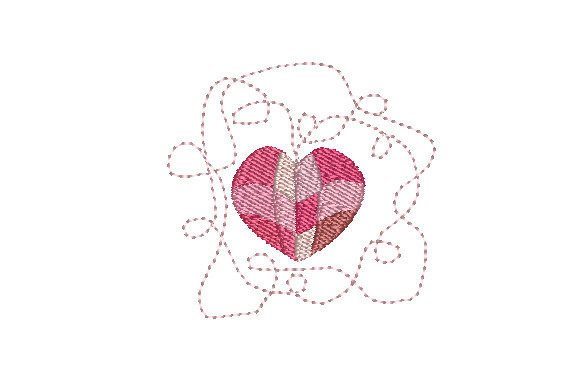
The first impression of Heart Wavy with Color Blocking is one of playful sophistication. Unlike traditional solid hearts, which can sometimes feel flat or generic, this design utilizes loopy lines circling the heart to enhance a sense of movement. The wavy color blocking creates a dynamic interplay of thread colors, giving the illusion of depth and fluidity. It feels both cute and bold, making it versatile for various brand identities. Whether you are aiming for a feminine aesthetic or a modern, graphic look, the decorative strength of this pattern holds up well.
The simplicity of the single heart shape ensures it remains recognizable even at smaller sizes, while the intricate waviness adds a layer of detail that invites closer inspection. This duality makes it an excellent choice for Valentine S Day collections that want to move beyond cliché red-and-pink motifs. The design feels trendy yet classic enough to remain relevant beyond a single holiday season, offering long-term value for your finished product inventory.
Performance on Sweatshirts and Hoodies
When planning a small sweatshirt or hoodie collection, placement and fabric interaction are critical. I tested the concept of this design on neutral sweatshirts and pastel hoodies, and the results were promising. For sweatshirt embroidery, the loopy lines of the color blocking provide a nice textural contrast against the soft fleece background. On a chest placement, the design acts as a focal point without overwhelming the garment. It is particularly effective on oversized garments where negative space allows the embroidery to breathe.
For darker apparel, such as charcoal or navy hoodies, the multiple colors in the wavy blocking help the design pop. However, careful selection of thread colors is necessary to ensure sufficient contrast. If you are using this as a sleeve accent, the vertical orientation of some wavy elements can elongate the arm visually, adding a stylish touch to custom apparel. The design also works beautifully as a back design on lighter weight hoodies, provided the scale is adjusted to fit the larger canvas without becoming too dense.
Versatility Across Product Lines
Beyond heavy knitwear, Heart Wavy with Color Blocking translates well to other substrates. For t-shirt embroidery, the key is managing the stitch density. Since t-shirts are thinner, a high-density fill might cause puckering. This design’s open, loopy nature is advantageous here, as it likely uses less thread coverage than a solid satin stitch heart, reducing pull on the fabric. It creates a lightweight, breathable embellishment that appeals to customers looking for subtle branding.
For non-apparel items like tote bags, the durability of the stitching becomes a selling point. The wavy lines add a handmade charm that elevates a basic canvas bag into a desirable handmade product. When creating lifestyle product photos for Etsy listings or social media graphics, the distinct lines of the color blocking photograph well, providing clear visual interest even in thumbnail images. This clarity is crucial for digital sellers and creative entrepreneurs who rely on strong visuals to drive clicks and conversions.
Strategic Placement and Fabric Considerations
While the design is versatile, it requires thoughtful application. Here are key areas to consider when integrating this motif into your production workflow:
- Small Chest Placement: Ideal for minimalist branding. Ensure the hoop size accommodates the width of the wavy lines without cropping the loops.
- Dense Stitch Areas: Avoid placing this over existing heavy seams or pockets, as the additional layers can cause needle deflection.
- Stretchy Fabric: Use appropriate stabilizers to prevent distortion. The loopy lines may shift if the fabric stretches excessively during wear.
- Fleece and Ribbed Fabric: These textures can hide fine details. Test on scrap fabric to ensure the wavy definition remains visible against the pile of fleece or the ridges of ribbing.
- Dark Garments: Choose thread colors with high luminance contrast to maintain the visibility of the color blocking effect.
- Curved Surfaces: Be cautious on rounded shoulders or curved hems, as the geometric nature of the heart may distort if not hooped perfectly straight.
Enhancing Brand Identity and Value
Incorporating unique designs like Heart Wavy with Color Blocking can significantly affect your boutique brand’s perceived value. Consistent use of distinctive embroidery styles helps build product recognition and buyer trust. When customers see a cohesive visual language across your small shop product line, they are more likely to perceive your brand as professional and curated. This design, with its specific aesthetic of wavy, colorful geometry, can become a signature element of your store, distinguishing you from competitors using generic stock vectors.
Furthermore, high-quality embroidery enhances customer engagement. Buyers often share photos of their purchases on social media, especially when the detailing is intricate and photogenic. The loopy, colorful nature of this heart encourages such sharing, providing organic marketing for your business. For commercial embroidery projects, delivering a product that looks expensive but is efficient to produce improves your profit margins while maintaining high standards.
Practical Notes for the Embroidery Designer
Before running a full production batch, there are several technical steps I recommend. First, always test on scrap fabric that matches your actual garment material. This allows you to check the stabilizer choice and adjust tension if needed. Review the thread color contrast on your specific machine, as monitor displays can differ from actual thread spools. Confirm the hoop size required for your intended placement to avoid re-hooping errors.
Inspect the stitch density closely. If the design feels too heavy for a lightweight t-shirt, consider scaling it down slightly or using a lighter weight thread. Compare placement options on a dummy garment to visualize the final look. Most importantly, check the Creative Fabrica product details and licensing terms. Ensure you have the correct rights for commercial embroidery sales, especially if you are selling finished apparel on platforms like Etsy. Since specific file formats and exact stitch counts are not detailed in the brief description, verify these technical specs in the download package to ensure compatibility with your embroidery machine.
In conclusion, Heart Wavy with Color Blocking is a strong contender for spring and Valentine’s collections. Its ability to adapt to various fabrics and placements makes it a flexible asset for any embroidery designer’s toolkit. By paying attention to fabric texture and stabilizer choices, you can leverage this design to create standout pieces that resonate with modern consumers.