Reviewing Mental Health Matters for Real Projects
As a designer who has spent years digitizing patterns and testing them on everything from delicate silk to heavy canvas, I approach every new machine embroidery design with a mix of curiosity and skepticism. We have all seen designs that look stunning on a screen but turn into a tangled mess of thread breaks and puckering once they hit the fabric. That is why I took a close look at Mental Health Matters, not just as a graphic, but as a functional tool for creators. This piece falls under the Awareness category, a niche that requires a delicate balance between visual impact and emotional resonance. It is not just about stitching words; it is about conveying a message with clarity and care.
First Impressions and Visual Personality
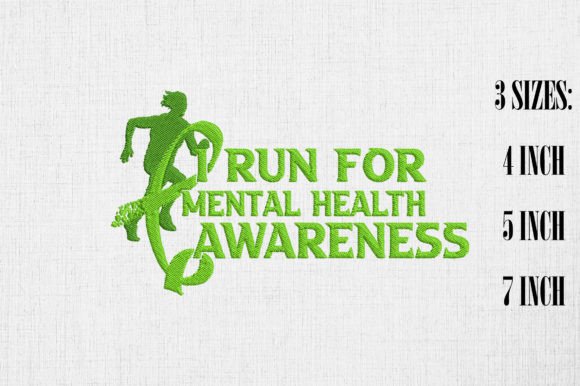
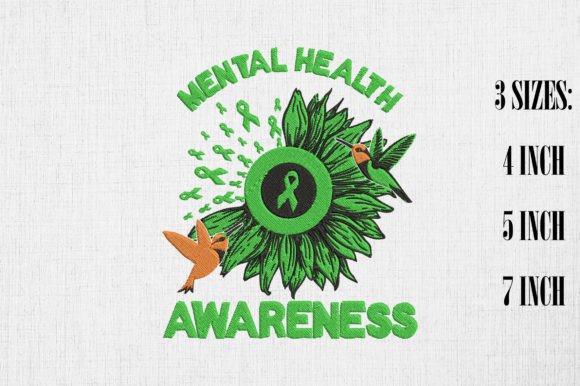
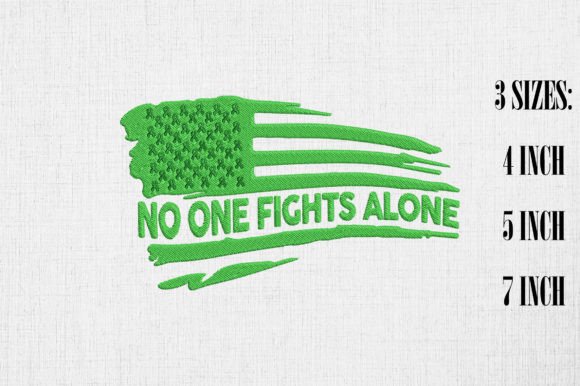
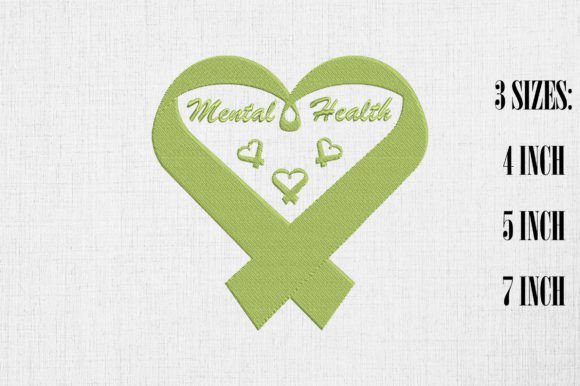
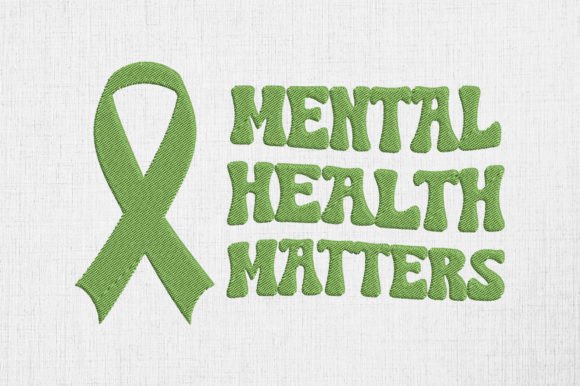
When I first loaded the embroidery file into my viewer, the immediate impression was one of clean, intentional simplicity. In the world of Awareness campaigns, clutter is the enemy. The layout of Mental Health Matters respects negative space, allowing the message to breathe. For an experienced eye, this suggests a thoughtful approach to stitch density. Overly dense designs can stiffen fabric and cause registration issues, especially on curved surfaces like caps or soft materials like baby clothes. This design appears to strike a balance, likely utilizing a combination of satin stitch for borders or key elements and fill stitch for broader areas, ensuring the text remains legible without becoming a bulky patch on the garment.
The mood it creates is supportive and modern. It does not scream for attention with chaotic details but rather invites a second look. This visual personality makes it versatile. It feels at home on a minimalist tote bag just as much as it does on a cozy sweatshirt. For Etsy sellers and small shop owners, this versatility is crucial. You want a design asset that can serve multiple product lines without requiring significant modification.
Real-World Application: The Custom Tote Scenario
To truly evaluate a design, you have to imagine it in production. Let us consider a real-life scenario: preparing a custom embroidered tote bag for a local community wellness event. Cotton canvas is a forgiving medium, but it has a distinct texture. I envisioned placing Mental Health Matters centrally on the bag. Because the design is categorized under Embroidery for awareness, the legibility from a distance is paramount. If the lettering is too thin or the running stitch elements are too sparse, the message gets lost in the weave of the fabric.
In this context, the design performs well because it avoids excessive micro-details that might get swallowed by the canvas texture. For a handmade product like this, the perceived value comes from the crispness of the stitches. A clean finish suggests professionalism. If I were producing these for a client, I would appreciate that the design likely comes in multiple formats, allowing me to scale it appropriately for the hoop size I am using. Whether I am working with a 5x7 hoop for a smaller accent or a larger frame for a statement piece, the scalability of the vector-based source files (assuming standard industry practices) is a key factor in its usability.
Apparel and Personalized Gifts
Beyond tote bags, this design shines in the realm of custom apparel. Imagine a soft, heather-grey sweatshirt. Here, the contrast between the thread colors and the fabric becomes critical. I would recommend testing high-contrast combinations, such as white or light blue thread on dark fabric, to ensure the message pops. For personalized gifts, such as a birthday present for a friend who advocates for mental health, this design offers a meaningful touch without being overly clinical. It fits seamlessly into the growing market for mindful merchandise.
However, caution is needed when applying this to stretchy fabrics. If you are embroidering on a t-shirt, the use of a proper stabilizer is non-negotiable. Without it, even the best-designed pattern can pucker, distorting the letters and ruining the aesthetic. For baby embroidery projects, such as onesies or bibs, I would advise checking the stitch count and density carefully. Babies have sensitive skin, so the back of the embroidery must be smooth. If the design uses heavy fill stitches, a soft cut-away stabilizer and careful trimming of jump stitches are essential to maintain comfort.
Technical Considerations for Makers
From a technical standpoint, there are specific areas where Mental Health Matters requires careful handling. Any design involving text poses challenges with small corners and tight curves. If the font includes sharp serifs or intricate loops, these are potential trap points for thread breaks. I always recommend running a test on scrap fabric of the same type you intend to use for the final finished product. This allows you to inspect the thread colors in natural light and verify that the tension is correct.
Another critical factor is the hoop size. While the description notes that it complements various items, you must confirm that the design dimensions fit your machine’s maximum hoop area. Trying to force a large design into a small hoop by resizing it can lead to pixelation or stitch distortion if the original digitization was not optimized for scaling. For commercial embroidery projects, consistency is key. If you are producing a batch of fifty items, you need to know that the design will stitch out identically every time. This reliability builds customer trust and protects your brand reputation.
Navigating Fabric and Texture Challenges
Not all fabrics behave the same way. On textured fabrics like linen or terrycloth towels, the stitches can sink into the pile, making the design appear faint. In such cases, using a topping stabilizer can help keep the stitches on the surface. For dark fabrics, ensure your thread choice has enough sheen and brightness to stand out. A matte thread on a matte black fabric might result in poor visibility, defeating the purpose of an awareness message. For holiday embroidery or special editions, you might experiment with metallic threads, but be aware that these require slower stitching speeds and potentially different needle types to prevent shredding.
Business Value and Brand Consistency
For craft business owners and digital product sellers, the value of a design like Mental Health Matters extends beyond the stitch itself. It is about the story it tells. In today’s market, consumers are drawn to brands that align with their values. Using this design in your printable mockup previews or social media content can signal empathy and community engagement. It enhances the emotional connection between the maker and the buyer.
However, professionalism dictates that you verify licensing terms. Before selling finished items or using the digital embroidery file in commercial products, confirm the license agreement. Some designers allow unlimited commercial use, while others restrict the number of physical items you can sell. Respecting intellectual property is fundamental to maintaining a healthy creative ecosystem. Additionally, when creating listings for your small shop product, highlight the quality of the embroidery. Close-up photos that show the neatness of the satin edges and the uniformity of the fill stitches can significantly boost buyer engagement.
Final Verdict for Designers
In summary, Mental Health Matters is a strong contender for your library of design assets. It offers a blend of aesthetic appeal and practical usability that suits a wide range of applications, from embroidered patches to home decor. Its strength lies in its clarity and emotional relevance. By paying attention to technical details like stabilizer choice, thread contrast, and fabric texture, you can ensure that each embroidery project meets high standards of quality. Whether you are a hobbyist making gifts or an entrepreneur building a brand, this design provides a solid foundation for creating meaningful, well-crafted items. Always remember to test, adjust, and refine your process to bring out the best in every stitch.