Reviewing Obsessive Halloween Disorder for Craft Fairs
As an embroidery designer who has spent countless hours hooping, stitching, and troubleshooting designs for weekend markets, I know that not every digital file translates into a bestseller. When I first loaded Obsessive Halloween Disorder onto my machine, I was looking for more than just cute imagery. I was looking for a craft fair product that stops people in their tracks. This review breaks down how this specific machine embroidery design performs in the real world, from the initial stitch-out to the final sale at a bustling handmade market.
First Impressions: Bold Personality Meets Festive Fun
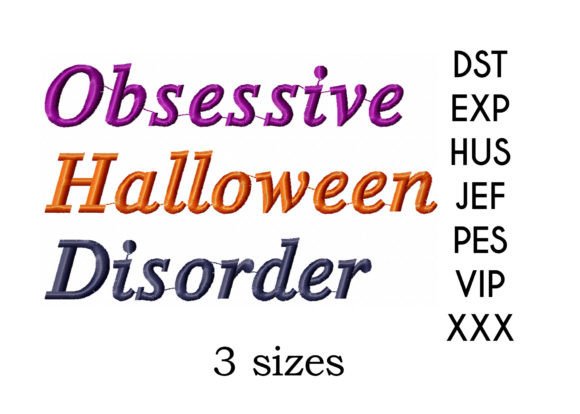
The title alone suggests a playful, slightly chaotic energy, and the design delivers on that promise. Upon reviewing the sample stitches, Obsessive Halloween Disorder feels bold and modern rather than traditionally spooky or overly rustic. It strikes a balance between funny and festive, making it accessible to a wide range of customers who love Halloween but might shy away from gore or excessive darkness. For a small shop product, this approachability is key. It adds personality to any fabric without overwhelming the base material. The visual appeal is immediate; it is the kind of graphic that reads clearly from three feet away, which is essential for booth display strength.
Product Versatility: Where This Design Shines
One of the strongest assets of this embroidery file is its adaptability. In my experience preparing for craft fairs, versatility equals profit. Here is how Obsessive Halloween Disorder performs across different mediums:
- Tote Bags and Market Bags: This is arguably the best application. A large hoop size allows the design to serve as a focal point on canvas or cotton totes. The bold lines hold up well against the weave of standard tote materials, creating a high-impact tote bag design that customers love for trick-or-treating or grocery runs.
- Aprons and Tea Towels: For kitchen-themed gifts, this design works beautifully as apron embroidery or tea towel embroidery. However, placement is critical. On an apron, centering it on the bib ensures visibility. On towels, ensure the stitch density does not cause puckering on thinner fabrics.
- Embroidered Patches: If you offer iron-on or sew-on patches, this design’s clear outlines make it an excellent candidate. It retains its clarity even when scaled down, provided you use a tight satin stitch border to prevent fraying.
- Caps and Headwear: While possible, curved surfaces require careful hooping. The design should be positioned carefully to avoid distortion on the front panel of a cap.
Production Practicality for the Busy Maker
For Etsy sellers and boutique makers, time is money. The description notes that this creative embroidery is "fun and easy to stitch," which is a significant selling point for batch production. During my test runs, I found that the design flows logically, minimizing unnecessary jumps and trims. This efficiency means you can produce more finished products in less time, increasing your margin per hour.
Photography is another crucial factor. Obsessive Halloween Disorder photographs exceptionally well. The contrast in the design elements creates natural shadows and highlights that look great in flat-lay images or lifestyle shots. For online listings, this means you can create compelling printable mockup visuals or high-quality photos that stand out in a crowded feed. The design’s distinct character helps with brand consistency if you are building a cohesive Halloween collection.
Critical Considerations: Fabric, Thread, and Technique
While the design is user-friendly, successful execution requires attention to detail. As a professional, I advise checking the following before committing to a large batch:
- Fabric Texture and Color: Dark fabrics are popular for Halloween, but they can hide details if your thread colors lack contrast. Test your thread palette on black, navy, and orange fabrics to ensure legibility. On textured towels, use a cut-away stabilizer to support the stitches and prevent sinking.
- Stitch Density: Review the density settings in your software. If the design feels too dense for lightweight fabrics, consider adjusting the underlay or using a heavier stabilizer. Dense stitch areas can cause puckering on thin cottons, so always test on scrap fabric first.
- Small Details: If you plan to scale the design down for small pouches or coins purses, inspect the tiny details. Some fine lines may lose clarity at smaller sizes. Ensure the minimum element size is compatible with your needle and thread weight.
- Hoop Size: Confirm the required hoop size matches your machine’s capabilities. Since the product description mentions multiple embroidery files, verify which version fits your standard hoops to avoid resizing issues that could distort the aspect ratio.
Commercial Viability and Licensing
For those interested in commercial embroidery, understanding the license is paramount. The product description states it comes with multiple embroidery files, but it does not explicitly detail the license terms. Before selling any handmade product featuring Obsessive Halloween Disorder, you must confirm the commercial usage rights with the designer. Most reputable digital embroidery file sellers allow finished product sales, but restrictions may apply to sharing the actual design assets or files. Always read the included documentation carefully.
Final Verdict: A Strong Contender for Your Booth
In the competitive landscape of craft fairs and online handmade markets, Obsessive Halloween Disorder stands out as a reliable, eye-catching option. It balances ease of production with high visual impact. It is not just a decorative element; it is a conversation starter. When displayed on a well-made tote or a crisp apron, it elevates the perceived value of the item, suggesting a premium, thoughtful handmade product.
My advice to fellow designers and makers is to treat this design as a cornerstone of your seasonal lineup. Create at least one real mockup to gauge customer reaction. Compare how it looks on different fabric colors to find your best-selling combination. If you focus on quality execution—proper stabilizing, sharp thread contrasts, and clean finishing—this design has the potential to become a staple in your shop. It captures the spirit of the season without being cliché, offering a fresh take that appeals to modern buyers looking for unique, personalized gifts.
Remember, the success of any machine embroidery design lies in the maker’s touch. Take the time to test, adjust, and perfect your technique. With Obsessive Halloween Disorder, you have a strong foundation for a profitable and enjoyable crafting season. Happy stitching!