Spooky Halloween Ghost: A Designer’s Review
As an embroidery designer who has spent years digitizing patterns and consulting with small business owners, I approach every new machine embroidery design with a critical eye. It is not just about whether the artwork looks cute on a screen; it is about how it translates to fabric, how it holds up in production, and ultimately, how it serves the brand identity of the client using it. Recently, I reviewed the Spooky Halloween Ghost, a digital asset marketed for the spooky season. My goal was to determine if this design is merely a seasonal novelty or a viable tool for professional commercial embroidery projects.
First Impressions and Visual Personality
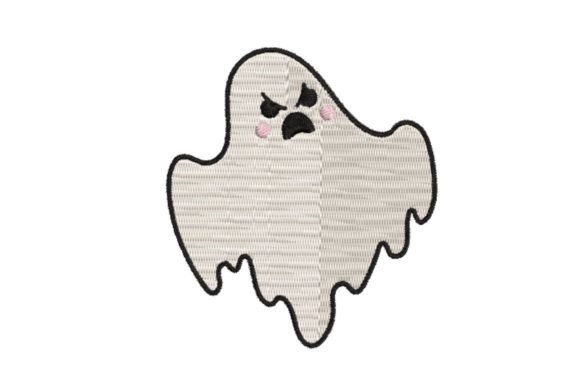
The first thing you notice about the Spooky Halloween Ghost is its versatility. The product description notes that it is perfect for creating unique embroidery projects and is suitable for both beginners and experts. From a design perspective, this suggests a balanced complexity. It does not appear overly intricate, which often leads to thread breaks and frustration, nor is it so simplistic that it lacks character. The aesthetic leans towards playful and friendly rather than genuinely terrifying, making it an excellent choice for family-friendly brands, bakeries, boutiques, and creative studios looking to add a touch of whimsy to their autumn merchandise.
For a small business owner, visual consistency is key. This design feels handmade and approachable, which aligns well with the current market trend favoring authentic, artisanal products over mass-produced goods. When placed alongside other design assets, such as fall leaves or pumpkins, it integrates seamlessly, offering a cohesive look for a seasonal collection.
Real-World Applications for Small Business Merch
The true test of any embroidery file is its application. I evaluated how the Spooky Halloween Ghost performs across various common merchandise items used by Etsy sellers and local shops.
- Embroidered Patches: This is perhaps the strongest use case. A ghost design works exceptionally well as an iron-on or sew-on patch. It allows customers to buy a base item, like a denim jacket or canvas tote, and customize it later. For a boutique, selling these as standalone handmade product additions can increase average order value.
- Apron Embroidery: For bakeries and florists, branded aprons are walking advertisements. Placing this ghost on the chest pocket or lower corner of an apron adds personality without overwhelming the uniform. It signals to customers that the business is fun and engaged with the community.
- Cap Embroidery: Front-panel cap designs require clean lines. If the stitch path is optimized, this ghost can serve as a charming accent on beanies or baseball caps. However, curvature is a challenge, so the design must not be too wide.
- Tote Bag Design: Canvas totes are staples for craft fairs. A medium-sized placement of this ghost creates a striking focal point. It transforms a generic bag into a seasonal statement piece, encouraging impulse buys during October.
- Staff Uniforms and Work Shirts: For retail staff, a small embroidered ghost on the sleeve or near the collar can unify the team during Halloween events. It fosters a sense of belonging and enhances the customer experience through thematic consistency.
Technical Considerations and Production Notes
While the artistic merit is solid, technical execution is where many designers stumble. The product description mentions that the design comes with multiple formats, which is standard, but it does not specify exact stitch counts or density details. As a professional, I advise you to check these specifics before committing to a large production run.
Stitch density is a critical factor. If the design is too dense, it can cause puckering, especially on lighter fabrics like cotton t-shirts or linen aprons. Conversely, if it is too sparse, the underlying fabric might show through, ruining the finished look. I recommend running a test stitch-out on the actual fabric you intend to use. Do not rely solely on digital simulations.
Another crucial element is the stabilizer. For a design like this, which likely involves satin stitches for outlines and fill stitches for the body, a cut-away stabilizer is often safer for garments that will be washed frequently. If you are embroidering on a hat, a stiff backer is essential to maintain the structure of the cap front.
Thread color contrast is also vital. Since ghosts are traditionally white or light gray, stitching them on dark uniforms requires careful planning. You may need to use an underlay stitch in a contrasting color to ensure the white threads pop. Always create a printable mockup for client approval to manage expectations regarding how the thread colors will interact with the fabric texture.
Brand Identity and Customer Trust
Using a high-quality digital embroidery file like the Spooky Halloween Ghost directly impacts brand perception. Sloppy embroidery with loose threads or misaligned designs screams "amateur," whereas crisp, clean stitching conveys professionalism and attention to detail. When customers see a well-executed embroidered patch or logo, their trust in the brand increases. They perceive the product as higher value, justifying a higher price point.
Furthermore, seasonal merchandise drives engagement. By incorporating themed designs into your small business merch, you give customers a reason to visit your shop or website repeatedly. It creates a sense of urgency and exclusivity. For Etsy sellers, listing items with this design can boost visibility in seasonal searches, driving traffic to your broader catalog.
Where to Use Caution
Not every application is suitable. I would advise against using this design on items that require extreme durability unless you have tested it rigorously. For example, on heavy-duty workwear that undergoes industrial washing, ensure the stitch count is robust enough to withstand abrasion. Additionally, avoid placing detailed elements of the ghost on highly textured fabrics like thick wool or terry cloth, as the needles may deflect, causing distorted shapes.
If you plan to use this on very small patches, verify that the fine details do not merge together. Sometimes, simplifying the design or increasing the size is necessary to maintain clarity. Always confirm the hoop size requirements to ensure the design fits within your machine’s capabilities without requiring re-hooping, which can lead to alignment issues.
Final Verdict for Commercial Use
The Spooky Halloween Ghost is a strong contender for your autumn product line. It balances aesthetic appeal with practical usability, making it suitable for a wide range of applications from custom apparel to home decor. However, success lies in the preparation. Test your tension, choose the right stabilizer, and respect the limitations of your fabric. By treating this design as a strategic business asset rather than just a decorative element, you can enhance your brand identity and drive sales during the lucrative Halloween season. Always review the commercial licensing terms included with the file to ensure you are compliant when selling finished products. With proper execution, this design can become a staple in your seasonal portfolio.