Mini Pig Embroidery Design: A Practical Review for Crafters
As a designer who has spent countless hours digitizing and testing machine embroidery design files, I have learned that cuteness alone does not make a successful project. The charm must translate cleanly through the needle. When I first loaded the Mini Pig file into my software, my immediate reaction was one of relief. In a market saturated with overly complex or poorly optimized graphics, this design offers a refreshing balance of simplicity and character. It captures the essence of farm animal whimsy without sacrificing stitch clarity, making it a versatile asset for both hobbyists and professional Etsy sellers.
First Impressions and Visual Personality
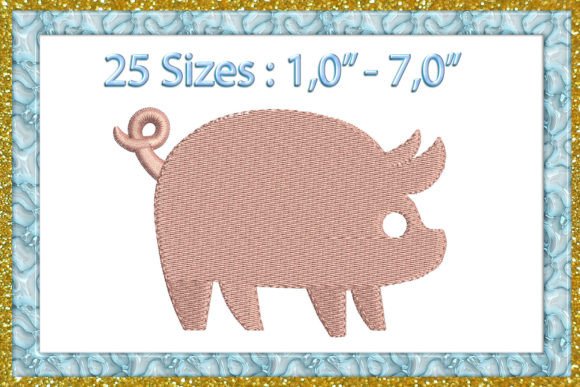
The Mini Pig design exudes a playful, farmhouse-friendly mood. Visually, it relies on clean lines and balanced proportions rather than excessive detail. This is crucial for embroidery, where tiny details often get lost in the fabric texture or turn into thread nests. The layout feels open and inviting, suggesting a friendly character that appeals to a wide demographic, from children to adults who appreciate rustic home decor.
From a technical standpoint, the transition between elements appears smooth. The design likely utilizes a combination of satin stitch for outlines and defining features, paired with fill stitch areas to give the pig substance and weight. This combination is standard for high-quality Embroidery because it provides durability while maintaining visual interest. The lack of overly dense stitching suggests that the designer considered the hand of the fabric, ensuring the final product remains soft and flexible rather than stiff and cardboard-like.
Real-World Application: The Custom Tote Bag Test
To truly evaluate an embroidery file, you must imagine it on a physical product. I recently considered using Mini Pig for a custom order of canvas tote bags for a local farmer’s market vendor. The client wanted something approachable and memorable. Here is how the design held up in that scenario.
On a natural cotton canvas, the pig’s shape popped nicely against the textured background. Because the design is not overly large, it fit perfectly in a standard 5x7 hoop, leaving ample room for personalized text if needed. The thread colors I selected—soft pinks and warm browns—complemented the neutral fabric without overwhelming it. The result was a handmade product that felt professional yet artisanal. Customers were drawn to the tactile quality of the stitching, and the recognizable pig motif sparked conversations, which is exactly what a small business owner wants from their merchandise.
This same logic applies to sweatshirt embroidery. On a fleece or cotton blend hoodie, the Mini Pig serves as a charming chest emblem or a larger back piece. The fill stitches provide enough coverage to look substantial on thicker fabrics, while the satin borders keep the edges crisp. For baby embroidery projects, such as onesies or burp cloths, the design’s gentle curves and lack of sharp, intricate points make it safe and visually soothing. It fits seamlessly into the nursery decor aesthetic, adding a touch of warmth to blankets and pillow covers.
Navigating Fabric and Hoop Constraints
While Mini Pig is versatile, it is not immune to the physical limitations of embroidery. One area where caution is required is fabric selection. On very thin or stretchy fabrics, such as lightweight jersey or silk, the stitch density must be managed carefully. If the design pulls too tightly, it can cause puckering. I strongly recommend using a high-quality cut-away stabilizer for knit fabrics to support the stitches and maintain the shape of the pig over time.
For dark fabrics, contrast is key. If you are stitching a light-colored pig on a navy or black garment, ensure your thread choice has enough brightness to stand out. Sometimes, adding a subtle underlay or adjusting the brightness of the pink threads can prevent the design from looking muddy. Additionally, when working on curved surfaces like caps, the placement of the Mini Pig is critical. Centering it correctly on the front panel ensures the perspective looks right from the wearer’s point of view. An embroidered patch might be a safer alternative for hats if you are unsure about stabilizing the cap material directly.
Hoop size is another practical consideration. While the design is labeled as "mini," always verify the actual dimensions in your software before hooping. If you are attempting to shrink it further for a small 4x4 hoop, check that the smallest details, such as the eyes or snout details, do not become too dense or merge together. Clarity is paramount for a professional-looking finished product.
Commercial Value and Brand Consistency
For those running a craft business, the value of a design lies in its ability to enhance brand identity. Mini Pig fits naturally into categories like Farm Animals, rustic chic, and playful kids' wear. Using this design consistently across different products—such as tote bag design, aprons, and kitchen towels—creates a cohesive collection. This consistency builds customer trust and recognition.
When creating printable mockup images for your online store, this design photographs well. Its clear lines and distinct shapes translate effectively into digital previews, helping potential buyers visualize the personalized gift they are purchasing. Whether you are selling holiday embroidery items for Easter or Christmas, or everyday custom apparel, the pig’s friendly demeanor adds emotional value to the transaction. It transforms a simple piece of fabric into a keepsake.
Designer Notes for Best Results
Before committing to a large production run or a high-value client project, follow these practical steps:
- Test on Scrap Fabric: Always stitch out the Mini Pig on the exact fabric type you plan to use. This reveals any tension issues or registration errors.
- Check Thread Contrast: View your design in black and white on your screen. If the details disappear, you may need to adjust thread shades for better definition.
- Verify Licensing: Ensure you understand the license terms for the digital embroidery file. Confirm whether it allows for commercial use if you intend to sell the small shop product.
- Inspect Stitch Density: Look at the color change sequence. Ensure there are no unnecessary jumps or trims that could slow down production or increase thread waste.
- Consider Washability: If the item will be washed frequently, such as a baby blanket or kitchen towel, ensure the stabilizer is trimmed close and the threads are high-quality polyester or rayon for durability.
In conclusion, Mini Pig is a solid addition to any designer’s library. It bridges the gap between cute aesthetics and technical reliability. By respecting the material constraints and applying thoughtful finishing techniques, you can create design assets that not only look good but also stand the test of time. Whether you are a seasoned commercial embroidery professional or a weekend maker, this design offers the flexibility and charm needed to elevate your embroidery project from good to great.