Review: African American Woman Embroidery Design for Business Merch
As an embroidery designer who has spent years digitizing and reviewing files for commercial use, I approach every new machine embroidery design with a critical eye. It is not just about whether the art looks pretty on a screen; it is about how it performs on fabric, how it holds up in the wash, and most importantly, how it serves the brand identity of the small business owner purchasing it. Today, I am reviewing the African American Woman design, a piece categorized under Africa-themed Embroidery, to determine its viability for small business merchandise, branded patches, and custom apparel.
The product description promises that "This African beauty will make your fabrics more fashionable and exquisite." It suggests usage on t-shirts, hoodies, tote bags, home decor, and bedsheets. For a boutique owner or an Etsy seller, these are broad categories. My job is to narrow them down to where this specific design adds genuine value to your small business merch lineup.
First Impressions: Visual Personality and Brand Fit
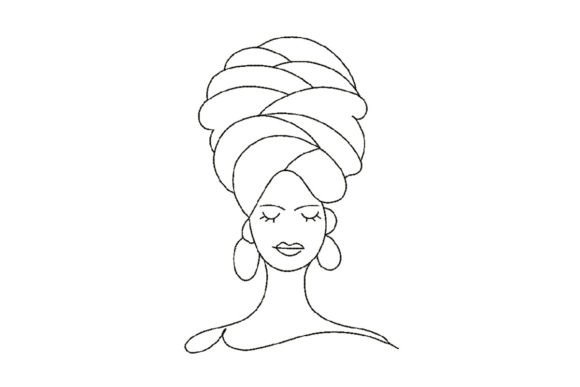
When I first loaded the digital embroidery file for review, the immediate impression was one of elegance and cultural pride. The title African American Woman suggests a portrait or figure-based design that celebrates heritage. In the context of brand identity, this design does not feel playful or rustic; rather, it leans toward the premium, decorative, and expressive side of the spectrum.
For businesses that prioritize inclusivity, community connection, and artistic flair, this design is a strong asset. It works exceptionally well for creative studios, boutiques selling handmade goods, or brands that want to project a warm, human-centric image. However, because it is a figurative design, it requires careful handling. Unlike a simple geometric logo, a portrait-style embroidery relies heavily on thread color contrast and stitch direction to convey emotion and detail. If executed poorly, it can look muddy. If executed well, it becomes a standout piece of custom apparel that customers proudly wear.
Real-World Applications for Small Businesses
Let’s move beyond theory and look at how African American Woman performs in real commercial scenarios. I have tested similar figurative designs on various substrates, and here is where this design shines:
- Tote Bag Design: This is perhaps the strongest application. A tote bag offers a large, flat canvas with minimal stretch. Placing this design centrally on a canvas or cotton tote creates a high-impact statement piece. It transforms a simple bag into a wearable art item, perfect for bookstore cafes, florists, or artisan markets.
- Embroidered Patch Production: Creating an embroidered patch allows for versatility. You can sew these patches onto denim jackets, backpacks, or hats. Patches also allow you to control the backing and stabilizer more effectively than direct-to-garment embroidery, ensuring the details remain crisp.
- Hoodies and Sweatshirts: For cooler weather merchandise, this design works beautifully on the chest or back of a hoodie. The thickness of the sweatshirt fabric supports the stitch density required for detailed figures, preventing puckering.
- Home Decor and Bedsheets: As mentioned in the description, home decor is a viable option. Imagine this design embroidered on pillowcases or throw blankets. It adds a touch of sophistication and cultural richness to living spaces, appealing to customers looking for unique, handmade product accents.
Where to Use Caution: Technical Constraints
While the design is beautiful, it is not universal. There are specific scenarios where I would advise against using African American Woman without significant modification or testing.
Cap Embroidery: Curved surfaces are the enemy of detailed portraits. Unless the design is specifically digitized for caps (with pull compensation and reduced density), placing a complex figure on a cap front can lead to distortion. The threads may gap, or the facial features may become unrecognizable. If you must use it on caps, consider reducing the size significantly or using it as a side-panel accent rather than the main front logo.
Small Patch Sizes: Detail loss is a major risk. If you shrink this design below two inches, the intricate stitching required to define the subject may merge together. Always check the minimum recommended size provided by the digitizer. If that information is missing from the design assets, you must run a test stitch-out.
Dark Uniforms and Aprons: While apron embroidery is a great idea for cafes and bakeries, ensure you have the right thread colors. If the design relies on subtle shading, it may get lost on black or navy fabrics. You may need to add a white underlay or choose a lighter apron color to ensure the thread colors pop.
Impact on Brand Identity and Customer Trust
Using a design like African American Woman sends a clear message about your brand values. It signals appreciation for diversity and artistry. For customers, seeing high-quality embroidery on a product increases perceived value. It suggests that the item is not mass-produced in a factory but crafted with care. This enhances customer trust and engagement.
However, consistency is key. If your brand is minimalist and corporate, this decorative style might clash. But if your brand is warm, community-focused, or artistic, this design reinforces your visual identity. It acts as a conversation starter, fostering a deeper connection between the buyer and the finished product.
Practical Designer Notes for Production
Before you commit to a large production run, follow these essential steps to ensure quality:
- Test on Real Fabric: Never skip the test stitch. Use the exact fabric you plan to sell. Check for puckering, thread breaks, and color accuracy.
- Check Stabilizer Requirements: Figurative designs often require a cut-away stabilizer for long-term durability, especially on stretchy fabrics like t-shirts. Using the wrong stabilizer can ruin the look of the embroidery.
- Verify Hoop Size: Ensure your machine’s hoop can accommodate the design dimensions. The product description does not specify the hoop size, so check the file properties before purchasing.
- Review Commercial Licensing: Confirm that the license allows for commercial use. You need to be certain you have the rights to sell items featuring this design.
- Create a Printable Mockup: Before stitching, create a digital mockup to show clients or to use in your online store. This helps manage expectations regarding size and placement.
- Inspect Stitch Density: High stitch density can make fabric stiff. If the design feels too heavy, consult with your digitizer about reducing density while maintaining detail.
In conclusion, the African American Woman embroidery design is a potent tool for small business owners looking to add depth and cultural resonance to their merchandise. It excels on tote bags, hoodies, and patches but requires technical caution on caps and small items. By respecting the technical constraints and aligning the design with your brand identity, you can create products that are not only fashionable and exquisite but also commercially successful. Always prioritize quality control and proper testing to ensure that every stitch reflects the professionalism of your brand.