Monogram V: A Designer’s Review for Craft Fair Success
As an embroidery designer who has spent countless weekends behind a booth table, I have learned that not every digital file translates into a bestseller. Some designs look stunning on a screen but vanish in person, while others become the silent workhorses of a small business. Today, I am putting Monogram V under the microscope. This is not just a technical review; it is a real-world assessment of how this design performs when the goal is turning raw thread and fabric into profitable craft fair products.
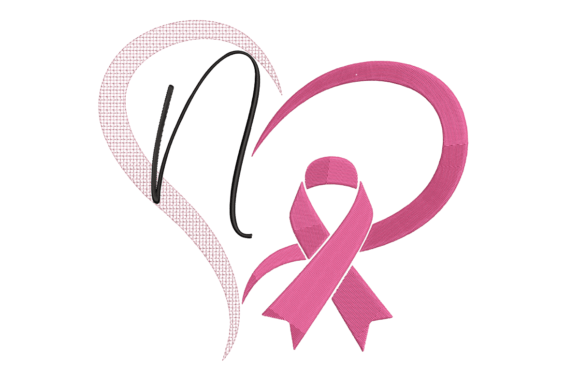
Monogram V is described as a lovely digital embroidery design, perfect for fabrics that need a simple and chic personalized look. In the world of Shapes and Embroidery, simplicity is often the hardest thing to master. When I first loaded this machine embroidery design into my software, my immediate impression was one of understated elegance. It does not scream for attention with excessive flourishes or complex shading. Instead, it offers a clean, modern aesthetic that feels both premium and approachable. For the handmade shop owner, this versatility is gold.
First Impressions and Visual Appeal
The "chic" descriptor in the product description is accurate. Monogram V avoids the trap of looking too rustic or overly farmhouse, which can sometimes limit your customer base. It sits comfortably in a modern, minimal space. When evaluating a design for a weekend craft fair, I look for immediate readability. Customers walking past a booth have seconds to decide if they should stop. Monogram V excels here because its lines are distinct and uncluttered. It reads clearly from a distance, whether stitched in a bold contrasting thread or a subtle tonal shade.
This visual clarity makes it an excellent candidate for a tote bag design. Tote bags are staple items at markets, and a large, centered monogram creates a strong focal point. The design’s simplicity ensures that it does not get lost in the weave of canvas or cotton blends. Furthermore, because it is not overly dense, it maintains the drape of the fabric, preventing that stiff, cardboard-like feel that cheapens a handmade product.
Product Versatility for the Market Booth
To maximize return on investment, a single digital embroidery file needs to work across multiple product types. Here is how I see Monogram V performing across a typical craft fair inventory:
- Apron Embroidery: Placed on the bib or the waist tie, this design adds a personalized touch that elevates a standard kitchen apron into a giftable item. The clean lines complement the functional nature of the garment.
- Tea Towel Embroidery: Tea towels are high-volume sellers. Monogram V works well here, provided you manage the fabric texture. On waffle weave or linen, the design remains crisp, adding value without overwhelming the towel’s utility.
- Embroidered Patch: If you offer custom patches, this shape-based design is ideal. It cuts cleanly and irons on easily. Patches are low-commitment purchases for browsers, making them great impulse buys.
- Caps and Hats: Curved surfaces are tricky. Because Monogram V is relatively simple, it adapts well to the curve of a baseball cap without significant distortion, assuming proper hooping techniques are used.
- Pillow Covers and Pouches: For home decor items, the design acts as a sophisticated accent. It allows the fabric choice to shine while providing that custom, boutique-made feel.
For the Etsy seller or online boutique owner, this versatility extends to your digital presence. The clean lines of Monogram V photograph exceptionally well. It creates sharp, high-contrast images for your printable mockup listings, helping customers visualize the finished product on their own items. This reduces hesitation and can lower return rates.
Production Practicality and Batch Selling
From a production standpoint, time is money. A design that requires constant trimming, excessive stabilizer removal, or frequent re-hooping is a profit killer. Monogram V appears to be designed for efficiency. Its structure suggests a manageable stitch density, which means faster run times and less thread breakage. This is crucial when you are producing fifty tote bags for an upcoming holiday market.
However, practical success depends on execution. While the design is simple, you must pay attention to thread colors. On dark fabrics, ensure you use a bright, high-visibility thread to maintain the design’s integrity. On light fabrics, a tonal thread can create a subtle, expensive-looking effect. Always test your hoop size compatibility. Since the product description mentions multiple file formats, you likely have options for different hoop dimensions. Choose the size that minimizes fabric waste while maximizing the design’s impact.
Another critical factor is the stabilizer. Even with a simple design, using the wrong stabilizer on stretchy fabrics like jersey or thin cottons can lead to puckering. For a professional finished product, always match your stabilizer to your fabric weight. A cut-away stabilizer might be overkill for a tea towel, where a tear-away could suffice, but testing on scrap fabric is non-negotiable.
Designer Notes for Best Results
Before you list Monogram V as a core part of your small shop product lineup, consider these professional tips to ensure quality consistency:
- Test on Scrap Fabric: Never run a new design directly on your final product. Stitch out a sample on the exact same material to check for registration issues or thread tension problems.
- Check Thread Contrast: View your test stitch-out from five feet away. If the design disappears, adjust your thread color or increase the scale slightly if your license permits.
- Review Spacing and Density: Look closely at any tight corners or curves in the letter V shape. Ensure there are no excessive jump stitches that will require tedious manual trimming.
- Confirm Commercial Licensing: The product description states it is a commercial embroidery friendly file, but always double-check the specific terms. Ensure you are compliant regarding the number of physical items you can sell.
- Create Real Mockups: Do not rely solely on digital previews. Photograph your actual stitched samples. Authentic photos build trust with buyers who value handmade quality.
It is also important to note what is not explicitly stated. The description mentions multiple file formats but does not list specific stitch counts or exact hoop size requirements. As a responsible maker, you must verify these details in the downloaded package before committing to a large production run. Additionally, while the design is described as suitable for various fabrics, be cautious with highly textured materials like thick terry cloth, where fine details might get lost.
Final Verdict for the Creative Entrepreneur
Monogram V is a strong contender for any embroidery business looking to expand its catalog with versatile, high-appeal items. It bridges the gap between decorative flair and commercial practicality. For the craft fair vendor, it offers the speed needed for batch production and the visual punch required to stop passersby. For the online seller, it provides the clean aesthetic that photographs beautifully and appeals to a broad demographic.
By focusing on quality execution—choosing the right stabilizer, optimizing thread colors, and ensuring precise hooping—you can transform this digital embroidery file into a consistent revenue stream. It is not just a shape; it is a tool for building brand consistency and enhancing the perceived value of your handmade goods. Whether you are stitching aprons, patches, or pillows, Monogram V delivers the chic, personalized look that modern customers crave.