Reviewing Lucifer’s Red Wings for Bold Embroidery Projects
As a designer who has spent countless hours digitizing and testing patterns, I approach every new machine embroidery design with a mix of curiosity and skepticism. We have all been there: you download a file that looks stunning on the screen, only to find it turns into a bird’s nest of thread breaks and puckering on the fabric. That is why I took a close, practical look at Lucifer’s Red Wings. This isn’t just about aesthetics; it is about how this specific embroidery file performs when put to work in real-world scenarios, from custom apparel to boutique home decor.
First Impressions: Mood and Visual Impact
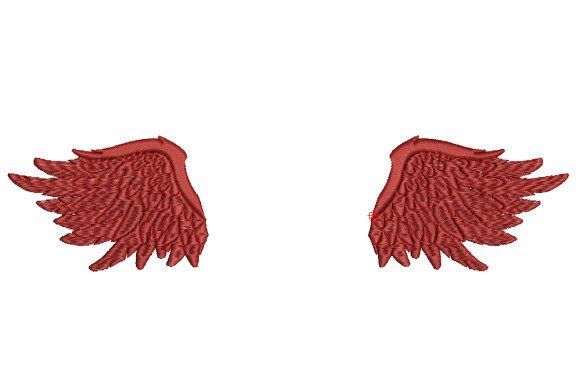
The first thing that strikes you about Lucifer’s Red Wings is its attitude. Inspired by the mythological figure cast out of heaven, the design leans heavily into the symbolism of fire and rebellion. The wings are not soft or angelic; they are rendered in deep, vibrant reds that radiate intensity. In the context of Borders and decorative Embroidery, this piece stands out because it refuses to be subtle. It creates an immediate mood of power and mystery.
From a layout perspective, the shape is dynamic. The curves of the wings suggest movement, which is crucial for keeping the viewer’s eye engaged. However, as a reviewer, my immediate concern was the detail level. High-contrast themes like this often rely on sharp transitions between colors. If the digitizing is too dense, the red threads might overlap poorly, losing that "fiery" definition. If it is too loose, the fabric shows through, breaking the illusion of solid, powerful wings. Fortunately, the visual personality here feels balanced, aiming for a bold statement rather than intricate, fragile detailing.
Real-World Application: Where Does It Fit?
I recently worked on a project for a client who runs a small alternative fashion brand. They were looking for a centerpiece design for a line of black cotton hoodies. This is where Lucifer’s Red Wings truly shines. When I simulated the placement on a dark garment, the red popped with incredible clarity. For an Etsy seller or small shop product creator, this kind of high-visibility design is gold. It translates well into a printable mockup, allowing you to showcase the finished product effectively online before you even stitch a single thread.
Beyond apparel, I see this design working beautifully on tote bags. A canvas tote bag design featuring these wings could appeal to customers looking for edgy, personalized accessories. The broad strokes of the wings would hold up well against the textured weave of canvas, provided the right stabilizer is used. It also has potential as an embroidered patch. Patches are trending, and a bold, symbolic image like this allows for creative freedom in backing materials and edge finishing.
However, context is everything. While this design screams "cool" for a teenager’s jacket or a musician’s merch, it might not be the best fit for traditional baby embroidery unless the parents are specifically seeking a rock-and-roll aesthetic. For holiday embroidery, it could work for Halloween projects, adding a touch of gothic flair to pillow covers or wall hangings. The key is matching the design’s intense energy with the right end-user.
Technical Considerations for Stitching Success
Let’s talk about the nuts and bolts of stitching. Any experienced embroiderer knows that red thread can be tricky. It often shows lint more than other colors and can highlight tension issues. When working with Lucifer’s Red Wings, I recommend paying close attention to your thread colors. Using a high-quality rayon or polyester thread will ensure the sheen mimics the intended "fire" effect. Cheap thread will look flat and dull, undermining the design’s impact.
Stitch density is another critical factor. Since this design likely uses a combination of fill stitch for the body of the wings and perhaps satin stitch for outlines or details, you must ensure your machine is calibrated correctly. If the density is too high on stretchy fabrics like jersey knits, you risk puckering. Always use a cut-away stabilizer for garments that will be washed frequently. For woven fabrics like cotton or linen, a tear-away might suffice, but test it first.
I also advise checking the hoop size requirements. Large, sweeping designs need ample space to breathe. If you try to cram this into a small hoop, you might lose the proportional balance of the wings. Ensure your machine’s maximum hoop capacity can accommodate the full span of the design without requiring re-hooping, which can lead to alignment errors.
Fabric and Surface Challenges
Not every surface is created equal. While Lucifer’s Red Wings looks fantastic on smooth, dark cotton, it requires caution on textured fabrics. On a fluffy towel or a rough wool blend, the finer details of the wing feathers might get lost. In such cases, consider using an applique design technique if the file supports it, or simply accept that the look will be more rustic and less defined.
Curved surfaces, such as caps or hats, present another challenge. The wings’ shape is broad, so placing them on a curved cap panel requires careful positioning to avoid distortion. You might need to scale the design down slightly to fit the available area without wrapping around the seams. For sweatshirt embroidery, the thickness of the fleece can swallow up smaller details, so ensure the main shapes remain large and recognizable.
Commercial Viability and Brand Consistency
For those running a craft business, consistency is key. If your brand is known for soft, pastel, or whimsical designs, Lucifer’s Red Wings might feel out of place. However, if your niche includes gothic, rock, fantasy, or bold modern styles, this design is a strong asset. It adds value to your design assets library by offering something distinct from the usual floral or geometric patterns.
Customer trust is built on quality. A well-stitched version of this design signals professionalism. It shows that you understand how to handle bold colors and complex shapes. When listing this as a custom apparel option or a personalized gift, highlight the vibrancy of the red and the symbolic meaning. Storytelling sells. Explain the inspiration—the fall from heaven, the fire, the power—and connect it to the wearer’s identity.
Final Designer Notes and Best Practices
Before you commit to a large batch of production, follow these practical steps:
- Test on scrap fabric: Always run a test stitch-out on the same material you plan to use for the final product. Check for thread breaks and tension issues.
- Check contrast: View your test stitch in black and white. If the design loses its shape without color, the contrast between the stitch types might need adjustment.
- Verify licensing: If you plan to sell items made with this digital embroidery file, confirm the license terms. Some designers allow commercial use for finished physical items but restrict the sale of the digital file itself.
- Inspect small details: Zoom in on the digitized file. Are there any unnecessary jump stitches? Are the underlays sufficient for the fabric type?
- Consider the audience: Think about who will buy this. Is it for a commercial embroidery client looking for branding, or a hobbyist making a holiday gift? Tailor your marketing accordingly.
In conclusion, Lucifer’s Red Wings is a compelling choice for designers who want to make a statement. It is not a shy design. It demands attention and respects the power of bold color. With proper technical preparation and thoughtful placement, it can elevate a simple garment into a standout piece. Whether you are creating a unique embroidery project for yourself or stocking your online store with eye-catching merchandise, this design offers the dramatic flair that many customers are searching for. Just remember: respect the red, stabilize your fabric, and let the wings fly.