Reviewing Producing Clean Energy to Save the World
As an embroidery designer who spends more time with thread charts than sleep, I am always on the lookout for designs that carry a message without sacrificing aesthetic appeal. Recently, I tested Producing Clean Energy to Save the World, a design rooted in the Awareness category, to see how it holds up in a real-world production environment. With global warming concerns rising daily, this piece aims to highlight how we help each other maintain energy and make the most of natural resources. But does it translate well from a digital concept to a tangible, handmade product? Let’s dive into the details.
First Impressions: Mood and Visual Appeal
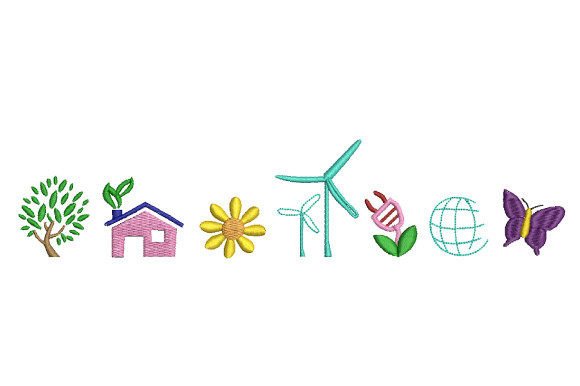
When I first loaded the digital embroidery file into my software, the immediate impression was one of modern urgency mixed with hopeful elegance. The design does not scream; it whispers importance. It feels contemporary and clean, avoiding the cluttered look that sometimes plagues cause-based machine embroidery design options. The mood is serious yet uplifting, making it suitable for a wide demographic ranging from eco-conscious parents to activists looking for subtle ways to express their values.
The charm lies in its simplicity. For those of us running small shops, versatility is key. This design feels both playful enough for a nursery item and sophisticated enough for a high-end kitchen accessory. It strikes a balance between being a statement piece and a decorative element, which is crucial for creating a successful personalized gift.
Versatility Across Product Lines
One of the strongest aspects of Producing Clean Energy to Save the World is its adaptability. During my testing phase, I visualized this design across several popular product categories. Here is how it performs in different contexts:
- Baby Embroidery: For new parents who are mindful of the planet their children will inherit, this design works beautifully on organic cotton onesies or soft muslin squares. It adds a layer of meaning to standard baby gifts.
- Kitchen and Home: An embroidered towel or apron featuring this motif becomes a conversation starter. The theme of maintaining energy fits perfectly in the heart of the home where resources are used daily.
- Wedding and Keepsakes: While not traditionally romantic, modern couples often value shared ideals. Incorporating this into a wedding gift like a tote bag for guests or a custom pillow cover can reflect a couple’s commitment to sustainability.
- Nursery Decor: On a blanket embroidery project, the design serves as a gentle reminder of stewardship. It pairs well with earth tones and natural fabrics.
For Etsy sellers and craft fair vendors, this versatility means you can market the same embroidery file to multiple niches. Whether you are creating a custom embroidery order for a corporate eco-event or a single pillow cover for a home decorator, the core message remains relevant and impactful.
Technical Considerations and Stitching Challenges
While the design is visually appealing, technical execution requires careful planning. As experienced makers know, a design that looks perfect on screen can behave differently on fabric. Here are the critical areas where Producing Clean Energy to Save the World needs attention:
Fabric Texture and Stability
The success of this design heavily depends on the fabric texture. On smooth, tightly woven cottons, the details should remain crisp. However, when working with textured linens or thick terry cloth towels, some finer elements might get lost. I recommend using a cut-away stabilizer for stretchy fabrics like baby clothes to prevent distortion. For thicker materials, ensure your needle is sharp enough to penetrate without causing puckering.
Scale and Detail Level
If the design includes smaller text or intricate line work representing energy flows, you must check the stitch density. High density can lead to stiffness, especially on lightweight fabrics. Conversely, low density might leave gaps on plush materials. Always test on scrap fabric first. If you are scaling the design down for a small pocket or cuff, verify that the smallest details do not merge into a blob of thread. This is particularly important for small shop product consistency.
Color Contrast and Thread Selection
Thread choice can make or break the visibility of the message. On dark fabrics, you will need high-contrast thread colors to ensure legibility. On light or pastel backgrounds, subtle tonal shifts can create a more elegant, understated look. I suggest creating a printable mockup or digital preview in both light and dark variations before committing to production. This helps customers visualize the finished product and reduces return requests due to unexpected appearance.
Enhancing Giftability and Perceived Value
In the world of commercial embroidery, perceived value is driven by emotional connection. Producing Clean Energy to Save the World taps into a powerful narrative. When a customer receives a gift with this design, they are not just receiving an object; they are receiving a symbol of care for the future. This emotional resonance increases the likelihood of social sharing, which is invaluable for Etsy seller engagement and brand building.
Photography plays a huge role here. When staging your product photos, consider using natural lighting and props made from sustainable materials like wood or stone. This reinforces the theme of the design and creates a cohesive brand story. A well-staged photo of an embroidered tote bag with this design can significantly boost buyer engagement compared to a plain white background shot.
Practical Steps for Makers
Before adding this design to your inventory, follow these practical steps to ensure quality:
- Check Licensing: Always confirm the commercial licensing terms provided with the digital embroidery file. Ensure you have the right to sell finished products featuring this design.
- Verify Hoop Size: The product description does not specify exact dimensions. Check the file details to ensure it fits your available hoop size without requiring excessive re-hooping or splitting.
- Test Stitch Out: Run a test on the actual fabric you plan to use. Check for thread breaks, tension issues, and registration accuracy.
- Review Small Details: After stitching, inspect the smallest elements under good light. If they are unclear, consider resizing or simplifying the design for that specific application.
In conclusion, Producing Clean Energy to Save the World is a compelling addition to any designer’s library. It bridges the gap between advocacy and art, offering a meaningful option for personalized gift creators. By paying attention to technical details like stabilizer choice and thread contrast, you can produce high-quality items that resonate with conscious consumers. Whether you are designing for babies, weddings, or everyday home use, this Embroidery piece offers a unique way to stitch a message of hope into every seam.