Train Embroidery Review: Elevating Small Business Merch
As an embroidery designer who has spent years digitizing and reviewing files for commercial use, I approach every new machine embroidery design with a critical eye. It is not just about whether the image looks cute on a screen; it is about how that design translates to fabric, withstands washing, and serves a business purpose. Recently, I reviewed the Train design, categorized under Toys and Embroidery, to determine its viability for small business merchandise and branded patch applications. This review focuses on practical application for apparel decorators, Etsy sellers, and boutique owners looking to expand their product lines.
First Impressions and Visual Personality
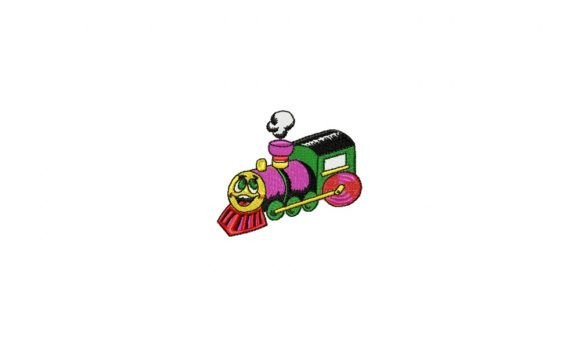
The Train design presents itself as a high-quality embroidery asset intended for diverse sewing projects. Upon initial inspection, the visual personality leans towards a blend of playful nostalgia and classic charm. For a design rooted in the "Toys" category, this is expected, but the execution matters significantly for professional use. The description notes that this detailed train embroidery will look great on any fabric, from clothes to home decor. This versatility suggests a design that is not overly reliant on ultra-fine details that might get lost on textured materials.
For a brand identity focused on family-friendly products, local heritage, or creative studios, the Train motif offers a friendly and approachable aesthetic. It does not scream "corporate sterile," which is a benefit for handmade brands and craft businesses. However, the term "detailed" in the product description raises a flag for experienced digitizers. Detail in embroidery can be a double-edged sword. While it adds visual interest, it can complicate production on certain fabrics. My first impression is that this design works best when positioned as a premium, decorative element rather than a minimalist logo.
Strategic Applications for Small Business Merch
When considering where to place the Train design, we must look beyond simple decoration. For small business owners, every stitch should contribute to brand recognition or product value. Here is how this design performs in real-world commercial embroidery scenarios:
- Embroidered Patches: This is arguably the strongest use case. A well-digitized train design makes for an excellent iron-on or sew-on patch. Patches allow customers to add personality to denim jackets, backpacks, and tote bags. For a toy store or a children’s boutique, selling branded patches featuring a train can be a high-margin add-on.
- Staff Uniforms and Aprons: Imagine a local café or a bakery with a vintage or industrial-chic theme. An apron embroidery featuring a subtle train motif on the chest pocket can reinforce a theme of journey, delivery, or classic service. It adds a layer of storytelling to the staff uniform without being overwhelming.
- Cap Embroidery: Placing this design on the front panel of a baseball cap requires careful scaling. If the design is too wide, it will wrap around the curve of the cap, distorting the image. For cap embroidery, I recommend using this as a side-panel accent or ensuring the digitized version is simplified for smaller hoop sizes.
- Tote Bag Design: Canvas tote bags are a staple for handmade product sellers. The sturdy fabric texture of canvas handles higher stitch counts well. A central Train motif can turn a generic bag into a statement piece, appealing to parents, teachers, or transit enthusiasts.
Navigating Technical Challenges and Fabric Constraints
While the potential is high, there are areas where the Train design requires caution. The product description mentions it is suitable for "any fabric," but as a professional, I advise against taking this literally without testing. Here are the critical technical considerations:
Stitch Density and Fabric Texture: Detailed designs often have higher stitch density. On lightweight or stretchy fabrics, this can cause puckering. If you are using this on a thin cotton t-shirt, you must use a high-quality cut-away stabilizer to support the stitches. Conversely, on thick towels or heavy denim, the detail might sink in. Testing on the actual fabric texture is non-negotiable before running a full production batch.
Small Patch Sizes: If you intend to shrink this design for a small chest logo or a tiny label, you risk losing definition. Fine outlines and small internal details can merge together when scaled down. I recommend creating a printable mockup at the intended size to check legibility. If the design loses clarity below two inches, consider requesting a simplified version from the digitizer or using it only on larger items like back prints or large patches.
Thread Colors and Contrast: The success of this design relies heavily on thread color contrast. A train design likely involves multiple colors for the engine, wheels, and smoke. On dark uniforms, ensure you have a solid underlay or use lighter threads that pop. Poor contrast can make the design look muddy and unprofessional, damaging the perceived value of your custom apparel.
Enhancing Brand Identity and Customer Trust
Using a cohesive design like Train across various touchpoints strengthens brand identity. Consistency builds trust. When a customer sees the same high-quality embroidered motif on a tote bag, a patch, and a staff apron, it signals professionalism. It shows that the business cares about the finished product.
For Etsy sellers and merch creators, this design can serve as a unique selling proposition. In a market saturated with generic prints, machine embroidery offers tactile value. Customers perceive embroidered items as more durable and premium. By integrating this design into your design assets, you create a recognizable visual language. Whether it is for a pet brand with a playful vibe or a florist using a vintage train motif for delivery branding, the key is alignment. Ensure the whimsical or classic nature of the train matches your overall brand voice.
Practical Designer Notes for Production
Before you purchase this digital embroidery file for commercial use, follow these steps to ensure a smooth production process:
- Verify Commercial Licensing: The product description does not explicitly state license terms. Always confirm with the seller that you have the right to use this design for physical goods you intend to sell. Never assume a standard download includes commercial rights.
- Check File Formats and Hoop Size: Ensure the download includes the format compatible with your machine (such as PES, DST, or JEF). Confirm the native hoop size. If the design is digitized for a 5x7 hoop but you only have a 4x4, you may need to resize it, which can affect stitch quality.
- Test in Black and White: Before committing to colorful threads, stitch out the design in black thread on white fabric. This helps you identify any spacing issues, jumps, or density problems without the distraction of color.
- Create Client Mockups: If you are designing for a client, use a printable mockup to show them how the Train design will look on their specific garment. This manages expectations and reduces revision requests.
- Inspect Stitch Count: While the exact stitch count is not provided in the brief description, high-detail designs can take longer to stitch. Factor this into your pricing model for custom apparel to ensure profitability.
In conclusion, the Train embroidery design holds significant promise for small business merchandise, particularly for brands leveraging nostalgia, playfulness, or classic aesthetics. By respecting the technical limitations of embroidery and strategically applying the design to patches, aprons, and bags, you can create high-value products that resonate with customers. Always prioritize testing and proper stabilization to ensure the finished product reflects the quality your brand stands for.