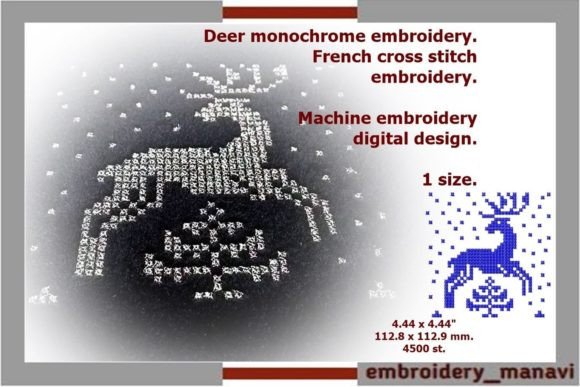
Reviewing Deer French Cross Stitch for Boutique Apparel
As an embroidery designer who spends countless hours digitizing and testing designs for boutique collections, I am always on the lookout for files that offer both aesthetic charm and technical reliability. Recently, I came across Deer French Cross Stitch on Creative Fabrica, and it immediately caught my eye as a potential staple for upcoming seasonal apparel lines. For those of us running small clothing brands or Etsy shops, finding the right machine embroidery design can make or break a product launch. This review explores how this specific design performs when applied to real-world garments, from cozy sweatshirts to structured denim jackets.
First Impressions: Visual Personality and Mood
The first thing you notice about Deer French Cross Stitch is its distinct visual personality. It captures the rustic, handcrafted feel of traditional French cross stitch but translates it into a format suitable for modern machine embroidery. The monochrome nature of the design gives it a sophisticated, minimal edge. It does not scream for attention with rainbow threads; instead, it relies on texture and form. This makes it incredibly versatile for a boutique brand aiming for a curated, high-end look rather than a chaotic, novelty aesthetic.
The stitching mood is undeniably cozy and classic. It feels premium without being overly ornate. For a designer planning a Christmas collection, this balance is crucial. You want holiday motifs that customers will wear beyond December 25th. The deer motif is timeless, and the cross-stitch simulation adds a layer of handmade authenticity that buyers crave in today’s market of mass-produced goods. Whether you are targeting a feminine, rustic, or playful demographic, this design adapts well because it is not overly gendered or age-specific.
Application on Sweatshirts and Hoodies
When preparing a small sweatshirt or hoodie collection, placement is everything. I envision Deer French Cross Stitch working beautifully as a left-chest emblem on neutral sweatshirts. On a heather grey or oatmeal-colored fleece, a single-color thread choice—such as deep forest green, charcoal, or burnt orange—creates a subtle yet striking contrast. The design’s detail level is sufficient to be recognized from a distance but refined enough to invite closer inspection.
For oversized garments, which are currently trending, consider using the design as a sleeve accent. Placing it on the lower forearm area of an oversized hoodie adds a unique touch that distinguishes your custom apparel from generic blank garments. However, one must be cautious with stretchy fabric. Fleece and french terry can shift during hooping. I strongly recommend using a cut-away stabilizer to ensure the stitches remain crisp and do not pucker the fabric over time. The stitch density appears moderate, which is ideal for thicker fabrics, but always test on scrap fabric first to gauge how the machine handles the transition between the dense cross-stitch simulation and the open background.
Versatility Across Different Garments
Beyond hoodies, this embroidery file shows great promise for t-shirt embroidery. On a high-quality cotton tee, the design can serve as a focal point for a pocket placement or a small back neck label effect. Because it is monochrome, it pairs effortlessly with pastel hoodies or dark apparel. On black or navy garments, using a metallic or high-sheen rayon thread can elevate the perceived value of the finished product, making it look like a luxury item rather than a basic promotional shirt.
Denim jackets are another excellent canvas. The sturdy texture of denim supports the structural integrity of the cross-stitch pattern perfectly. Here, you might opt for a contrasting white or cream thread to mimic traditional linen cross stitch, creating a vintage-inspired look that appeals to creative entrepreneurs and crafters alike. For tote bag design projects, the durability of the stitch pattern ensures it withstands daily use, adding a personalized touch to reusable bags that customers love for their eco-friendly appeal.
Considerations for In The Hoop Projects
The product description notes that this is an In The Hoop embroidery project. This is a significant detail for efficiency-minded sellers. In The Hoop (ITH) designs allow you to create finished items, such as gift bags or decorative pillows, without removing the hoop until the item is complete. While my primary focus here is apparel, this feature suggests the design is self-contained and likely includes finishing steps. If you plan to adapt this for apparel, ensure you are using only the embroidery portion intended for flat garments, or verify if the ITH structure can be modified. Always check the Creative Fabrica product details to confirm exactly what is included in the download.
Enhancing Brand Identity and Value
Using a cohesive design like Deer French Cross Stitch can significantly impact your brand identity. Consistency in visual style builds buyer trust. When customers see the same high-quality stitching aesthetic across your Etsy listings and social media graphics, they begin to recognize your signature style. This design helps establish a narrative of warmth, tradition, and quality.
For lifestyle product photos, the texture of the cross-stitch simulation photographs exceptionally well. It adds depth to flat-lay images and looks inviting in worn shots. This visual consistency aids in professional presentation, making your small shop product stand out in a crowded marketplace. A well-executed embroidery piece signals to the customer that care was taken in the creation process, justifying a higher price point for your handmade product.
Practical Designer Notes and Technical Tips
Before launching any commercial embroidery products, there are several technical checks you must perform. First, confirm the hoop size required for this design. While the description mentions it can decorate clothes and pillows, knowing the exact dimensions is vital for placement planning. Second, review the thread color contrast. Since it is monochrome, your choice of thread color relative to the fabric color will define the visibility of the design. Test on similar garment fabric to see how the thread sinks into fleece versus how it sits on cotton.
Pay close attention to areas that may stretch or wrinkle. Avoid placing dense stitch areas directly on seams or highly elastic ribbed fabric unless you have specialized experience with stabilizing these zones. If you are new to this specific file, stitch it out on a scrap piece of your intended garment material. Check for any thread breaks or nesting issues. Finally, always review the licensing terms on Creative Fabrica. Ensure you have the rights to sell finished apparel featuring this design, especially if you are scaling up your production.
In conclusion, Deer French Cross Stitch offers a blend of traditional charm and modern versatility. It is a strong candidate for anyone looking to add a touch of rustic elegance to their boutique apparel line. By paying attention to fabric texture, stabilizer choice, and strategic placement, you can transform this digital embroidery file into a best-selling physical product. Whether for a Christmas capsule collection or year-round cozy wear, this design holds the potential to enhance your creative portfolio and delight your customers.