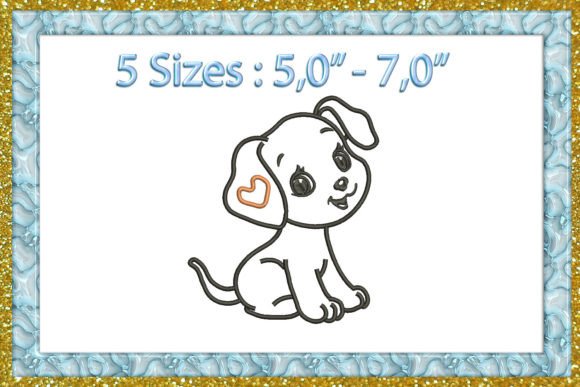
Reviewing the Dog Applique for Real Projects
As a designer who has spent countless hours hooping fabric, troubleshooting thread breaks, and refining digital assets for commercial use, I approach every new machine embroidery design with a critical eye. It is not enough for a file to look cute on a screen; it must perform reliably under the needle. Recently, I evaluated the Dog Applique to determine its viability for client work and small shop inventory. This review breaks down how this specific applique design holds up in practical scenarios, from custom apparel to boutique home decor.
First Impressions and Visual Personality
The immediate appeal of the Dog Applique lies in its friendly and playful character. In the world of Dogs themed merchandise, there is a fine line between generic clip-art aesthetics and designs that feel handcrafted and warm. This design leans toward the latter. The layout suggests a focus on shape and silhouette rather than excessive internal detailing, which is a smart choice for applique work. By relying on fabric patches rather than dense stitch fills, the design maintains a light touch on the garment, preventing that stiff, cardboard-like feel that often plagues heavy embroidery.
Visually, the design creates a mood of approachability. It is not overly complex, which means it reads well from a distance. For an Etsy seller or craft business owner, this clarity is crucial. Customers scrolling through digital marketplaces need to instantly recognize the subject matter. The playful nature of the dog motif makes it versatile, fitting seamlessly into categories ranging from nursery decor to casual adult apparel.
Real-World Application: The Custom Tote Bag Test
To truly understand the value of an embroidery file, you must imagine it on a finished product. I visualized this design applied to a canvas tote bag, a staple item for many handmade shops. Canvas is a sturdy fabric with a noticeable weave, which can sometimes swallow up fine details. However, because the Dog Applique utilizes large fabric shapes bordered by stitching, it stands out beautifully against the textured background.
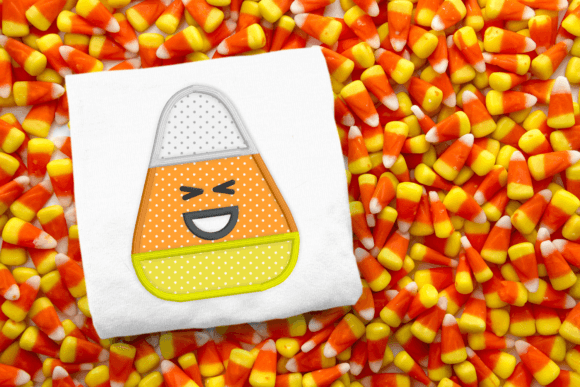
In this scenario, the applique technique shines. Instead of thousands of stitches covering the entire dog shape, the design uses a running stitch or light tack-down to secure the fabric patch, followed by a decorative border—likely a satin stitch or a wider decorative column stitch—to define the edges. This reduces production time significantly. For a small business owner, time is money. A design that stitches out quickly without sacrificing visual impact allows for higher throughput during holiday rushes or craft fair preparations.
Beyond tote bags, consider the potential for sweatshirt embroidery. Here, the lightweight nature of the applique is a major benefit. Heavy fill stitches on a fleece or cotton-blend sweatshirt can cause puckering and discomfort. The Dog Applique avoids this pitfall, offering a soft, flexible finish that moves with the fabric. This makes it an excellent choice for custom apparel where comfort is a priority, such as pajamas or children’s clothing.
Navigating Fabric and Hoop Constraints
While the design is versatile, it is not without its technical considerations. Any experienced embroiderer knows that fabric choice dictates success. When working with thin or stretchy fabrics, such as jersey knits for baby embroidery projects, proper stabilization is non-negotiable. The tension from the border stitches, even in an applique, can distort lightweight materials if not supported correctly. I recommend using a cut-away stabilizer for garments that will undergo frequent washing, ensuring the design remains flat and secure over time.
Hoop size is another critical factor. Before purchasing or downloading any digital embroidery file, you must confirm the dimensions fit your machine’s capabilities. While applique designs are often scalable, shrinking them too much can lead to issues with the stitch density of the border. If the satin stitch border becomes too narrow relative to the stitch width, the machine may struggle to cover the raw edges of the fabric patch, leading to fraying. Conversely, expanding the design too large might expose the limitations of the source vector, resulting in jagged edges if the file is not high-resolution.
Curved surfaces, such as caps or hats, present another challenge. Placing a flat applique design on a curved brim requires careful hooping and possibly a foam underlay to raise the design. The Dog Applique would work well here, provided the fabric patch is trimmed closely and the border stitch is tight enough to secure the edges against the curve. Always test on a scrap piece of the same material before committing to a final product.
Commercial Viability and Brand Consistency
For those running a craft business, consistency is key to building brand trust. The Dog Applique offers a professional look that enhances the perceived value of the finished product. Unlike poorly digitized files that leave loose threads or gaps, a well-executed applique looks intentional and polished. This professionalism translates directly to customer satisfaction and repeat business.
When creating printable mockups for your online store, this design performs exceptionally well. Its clear lines and distinct shapes render clearly in photos, making it easier for customers to visualize the item in their homes or on their bodies. Whether you are selling holiday embroidery gifts or year-round personalized gift items, the visual clarity of this design helps drive engagement.
However, always verify the licensing terms. Just because a design is labeled for commercial use does not mean it is free from all restrictions. Ensure you have the right to sell physical items made with the design assets. Some creators restrict the sale of the digital file itself while allowing the sale of stitched-out products. Clarifying this upfront protects your business from legal issues down the line.
Practical Designer Notes for Best Results
To get the most out of the Dog Applique, follow these practical steps during your production process:
- Test on Scrap Fabric: Always run a test stitch-out on the actual fabric you plan to use. This reveals any tension issues or registration errors before you ruin good material.
- Check Thread Contrast: The border stitch defines the shape. Choose a thread color that contrasts sufficiently with the applique fabric to ensure the dog’s outline is visible. A thread colors mismatch can make the design look muddy.
- Inspect Small Details: If the design includes small features like eyes or noses, ensure they are positioned correctly relative to the fabric patch. Misalignment here can change the character’s expression from friendly to confused.
- Use Proper Stabilizer: Match your stabilizer to your fabric. Tear-away for stable woven fabrics, cut-away for knits and stretchy materials.
- Verify File Compatibility: Ensure the embroidery file format matches your machine (e.g., PES, DST, JEF). If the provider offers multiple formats, download the one native to your software for the best editing control.
In conclusion, the Dog Applique is a solid addition to any designer’s library. It balances aesthetic charm with practical efficiency, making it suitable for a wide range of embroidery project types. By understanding its strengths and respecting its technical requirements, you can create high-quality, appealing products that resonate with animal lovers and craft enthusiasts alike. Whether you are decorating a simple kitchen towel or launching a new line of small shop product offerings, this design delivers the playful professionalism that modern buyers expect.